


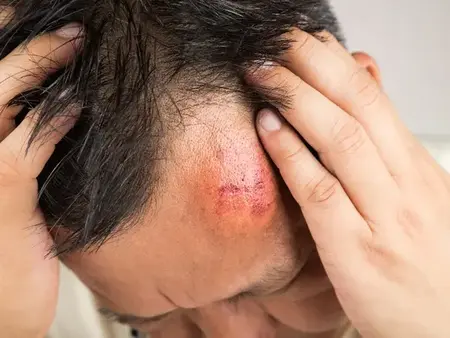
Looking for a chiropractor for concussion symptoms in West Des Moines?
If you’re still dealing with headaches, dizziness, or brain fog after a concussion, it’s a sign your body may need additional support during recovery.
At Truth Family Chiropractic, we provide supportive chiropractic care for concussions that works alongside your medical care to help manage lingering symptoms such as:
- Neck tension and stiffness after injury
- Posture or movement changes
- Balance and coordination issues
- Nervous system stress
Our goal is to help you feel clearer, more stable, and confident as you return to your daily routine.
Book Your First Concussion Relief Consultation Today
Why wait to begin feeling relief? Contact us today to schedule your first appointment.
How Our Concussion Care Plan Works
1. Get The Truth
Stop searching for answers. Finally, get the truth about what’s causing your health problems so that you can create a plan to get your life back.
2. Get Real Solutions
Based on your health goals and your doctor’s findings, we’ll customize a plan of attack that will give you the solutions you’ve been desperately searching for.
3. Live A Life Without Limitations
Unleash your full potential and have the impact and purpose God intended for you.
What Is a Concussion?
A concussion is a type of mild traumatic brain injury (mTBI) that affects how the brain functions, even without visible damage.
Instead of causing structural injury, a concussion disrupts how the brain communicates with the rest of the body. This can interfere with balance, coordination, focus, and how you process information.
That’s why symptoms like headaches, dizziness, and brain fog can continue even when imaging tests such as X-rays or CT scans appear normal.
Because concussions affect function rather than structure, the impact is often felt in how your body moves, responds, and recovers in the days or weeks after the injury.
Common Causes of Concussions
Sometimes, the brain can get confused when your head or body gets a hard bump or shake.
Concussions can happen during everyday situations such as:
- Sports or recreational activities involving contact or falls
- Slips or falls at home or on uneven surfaces
- Motor vehicle accidents, even at lower speeds
- Workplace or household injuries involving sudden movement or impact
It’s important to understand that the severity of symptoms does not always match the force of the incident. Even a relatively mild impact can lead to noticeable changes in how the brain and body function.
Acute Concussion vs. Post-Concussion Syndrome
An acute concussion refers to the initial phase following a head injury, when symptoms first appear and the brain begins its early recovery process.
During this stage, symptoms such as headaches, dizziness, or confusion are common and often improve within a few days to a few weeks with proper rest and care.
However, not everyone recovers within that expected timeframe.
If symptoms last longer than expected after a concussion, it’s called post-concussion syndrome (PCS).
PCS may involve ongoing issues such as:
- Headaches that don’t fully resolve
- Balance or coordination difficulties
- Slower thinking or trouble focusing
- Sensitivity to light, sound, or movement
- Physical or mental fatigue
For many people, this prolonged phase is when symptoms become more frustrating and begin to interfere with daily life.
Understanding whether you’re in the early stage of recovery or dealing with lingering post-concussion symptoms can help guide the right type of care and support moving forward.
How Chiropractic Care Supports Concussion Recovery
Chiropractic care for concussion recovery focuses on supporting the body during the healing process, especially when symptoms continue beyond the initial injury.
While it does not treat the brain injury itself, chiropractic care can help address physical and neurological factors that may contribute to lingering symptoms such as headaches, dizziness, and balance issues.
Supporting Cervical Spine Function
The neck helps us keep our balance and move our bodies.
After a concussion, tension or restricted movement in the cervical spine can contribute to symptoms like headaches or dizziness.
Gentle chiropractic techniques may help improve mobility and reduce strain in the neck, supporting a smoother recovery process.
Addressing Postural and Movement Changes
After a concussion, it’s common for people to unconsciously adjust how they sit, stand, or move due to discomfort or instability.
Over time, these changes can place added stress on the body and prolong symptoms.
Chiropractic care helps identify and correct these patterns, reducing unnecessary strain and supporting more natural movement during recovery.
Encouraging Nervous System Regulation
Concussion symptoms often involve how the brain and body communicate.
Supportive chiropractic care aims to improve this communication by helping the nervous system shift out of prolonged stress responses that can contribute to symptom flare-ups.
Working as Part of a Collaborative Care Approach
Chiropractic care is most effective when used alongside appropriate medical guidance.
At Truth Family Chiropractic, care is provided as part of a coordinated approach that may include referrals, activity recommendations, and ongoing monitoring to support a safe and effective recovery.
When to Seek Immediate Medical Attention
Seek emergency evaluation if symptoms worsen or include:
- Severe or worsening headache
- Repeated vomiting
- Slurred speech
- Seizures
- Unusual drowsiness
- Weakness or numbness
- Loss of consciousness
Our Step-by-Step Concussion Care Approach
If you’re dealing with ongoing concussion symptoms, it’s natural to wonder what care will actually look like and how it can help you move forward.
At Truth Family Chiropractic, our concussion care approach is structured around your individual experience, focusing on supportive chiropractic care that works alongside appropriate medical guidance.
Step 1: Understanding Your Symptoms and Recovery Needs
Your first visit is focused on understanding how the concussion has affected you and where you are in the recovery process.
This may include:
- Reviewing the injury and your symptom history
- Discussing how symptoms impact your daily routine, work, or school
- Evaluating neck mobility, posture, and movement patterns
- Screening balance, coordination, and visual tracking
If anything outside our scope is identified, we coordinate referrals to ensure you receive appropriate medical evaluation.
Step 2: Personalized Supportive Care
Based on your findings, we create a care plan tailored to your symptoms, comfort level, and recovery progress.
Care is designed to support your body without overwhelming it and may include:
- Gentle, targeted techniques based on your tolerance
- Support for movement and posture patterns affecting recovery
- Guided exercises to improve stability and coordination
- Change what you do based on how your body feels
Every step is adapted to help reduce stress on your system while supporting gradual improvement.
Step 3: Gradual Return to Daily Activities
As your symptoms begin to stabilize, care shifts toward helping you safely return to your normal routine.
This may involve guidance for:
- Getting back to work or school responsibilities
- Increasing physical activity at a manageable pace
- Reintroducing exercise or sport-specific movements
Progress is always guided by your symptoms to help avoid setbacks and support long-term recovery.
If you’re ready to take the next step in your recovery, we’re here to help guide you through it.
Schedule Your Appointment


Who May Benefit From Concussion Support Care?
If you still feel bad after a concussion and it’s making it hard to do everyday things, you might want to try chiropractic care to help you feel better.
This type of care is often helpful for individuals who:
- Continue to experience headaches, dizziness, or brain fog
- Feel unsteady, off-balance, or uncomfortable with movement
- Have ongoing neck stiffness after a head or whiplash-type injury
- Struggle to return to normal work, school, or exercise routines
- Notice symptoms worsen with physical or mental activity
Common Situations We See
Many people who seek concussion support care are dealing with real-life challenges like:
- Athletes working to recover from sports-related concussions
- Students struggling with focus, studying, or keeping up in school
- Adults experiencing lingering symptoms after falls or accidents
- Auto accident patients with combined head and neck involvement
- Individuals with post-concussion symptoms lasting longer than expected
No two recoveries are the same. Care is always guided by how your symptoms present and how your body responds over time.
When This Type of Care May Not Be Appropriate
Supportive chiropractic care is not a replacement for emergency or acute medical treatment.
If symptoms are worsening or you have not yet been medically evaluated, it’s important to seek appropriate medical care first before considering supportive options.
Types of Concussions
Concussions are sometimes described in terms of severity, but it’s important to understand that how a concussion is classified does not always predict how long symptoms will last.
Even milder concussions can lead to lingering symptoms, especially when the body is still working to restore normal function.
Mild to Moderate Concussions
In many cases, concussion symptoms appear without loss of consciousness and may seem manageable at first.
Symptoms may improve within minutes or over the course of several days. However, even these types of injuries can lead to ongoing issues if the body does not fully recover as expected.
More Severe Concussions
A bad concussion can make you pass out, even just for a moment. If that happens, you need to see a doctor right away to make sure you’re okay.
Additional testing may be used to assess memory, attention, and neurological function before returning to normal activities.
Regardless of severity, recovery is not always predictable.
Some individuals recover quickly, while others continue to experience symptoms that affect their daily life.
Understanding this difference is important, especially if you’re still dealing with symptoms after the initial injury.
Frequently Asked Questions About Concussions & Chiropractic Care
Chiropractic care does not treat the brain injury itself, but it can be helpful in supporting recovery when concussion symptoms linger. Many ongoing symptoms are influenced by physical and neurological stressors that remain after the initial injury.
Supportive chiropractic care focuses on areas such as neck function, posture, balance, and how the nervous system responds to physical stress — all of which can affect how symptoms are experienced during recovery.
When these contributing factors are addressed, some patients find it easier to tolerate daily activities and gradually progress through recovery.
This type of care is most effective when used alongside appropriate medical evaluation and guidance, not as a replacement for it.
Patients who seek supportive concussion care often report symptoms that interfere with daily life rather than acute emergency concerns. These commonly include:
- Headaches or head pressure
- Dizziness or balance difficulties
- Brain fog or difficulty concentrating
- Neck stiffness or discomfort
- Sensitivity to movement or physical activity
It’s important to note that every concussion is different. Care is always individualized based on symptom presentation, tolerance levels, and how the body responds over time.
Rest plays an important role in the early stages of concussion recovery, but prolonged or passive rest alone may not fully address lingering issues for everyone.
Supportive chiropractic care focuses on identifying and addressing physical and functional factors that can persist even after initial rest — such as neck restrictions, altered movement patterns, or balance challenges.
Rather than simply waiting for symptoms to resolve, this approach emphasizes guided progression and support as recovery continues.
This may be helpful for individuals whose recovery has not progressed as expected, even after an appropriate period of rest.
Yes — many people seek supportive care weeks or months after a concussion, especially if symptoms never fully resolved or tend to flare up with activity.
Even when the original injury occurred some time ago, lingering physical or neurological stressors may still be present. Supportive care is tailored to your current condition, not just the timing of the injury.
That said, care is always based on your individual history, current symptoms, and prior medical evaluation to ensure it is appropriate.
You may want to consider scheduling an evaluation if:
- Symptoms have lasted longer than expected
- Daily activities worsen how you feel
- You’ve returned to work, school, or exercise but struggle with symptom flare-ups
- You feel unsure how to safely progress your activity level
An evaluation can help determine whether supportive chiropractic care may be appropriate for your situation and whether additional referrals or coordination with medical providers are needed.
👉 Booking an evaluation does not commit you to care — it simply helps clarify next steps.
Chiropractic care may be appropriate for some people after a concussion, but safety depends on your symptoms, your medical history, and where you are in recovery. A responsible approach starts with a careful evaluation and a plan that is conservative and symptom-guided.
Modern concussion guidance generally supports an initial period of relative rest followed by a gradual return to light activity as tolerated. Any supportive care should fit within that broader recovery framework.
At Truth Family Chiropractic, our goal is to provide supportive care that complements medical guidance.
If your case requires medical clearance, imaging, or specialist involvement, we coordinate referrals and recommend appropriate next steps.
Not everyone needs to see a physician first, but many people should, especially if symptoms are new, worsening, or you have not yet been medically evaluated.
A concussion is considered a mild injury affecting brain function, and medical evaluation plays an important role when symptoms are concerning or changing.
If you’ve already been evaluated and you’re dealing with lingering symptoms, supportive care may be considered as part of a broader plan.
If you have not been evaluated—or if anything feels unusual or escalating—we’ll recommend medical evaluation first and can help guide you to the right provider.
It shouldn’t. Supportive chiropractic care is commonly positioned as complementary — not competing — with medical care, physical therapy, or vestibular rehabilitation.
In practice, care is often most effective when providers work within a coordinated plan, where each professional focuses on their role — such as medical evaluation and clearance, symptom monitoring, graded return to activity, and targeted rehabilitation when appropriate.
If you’re currently under the care of a neurologist, sports medicine provider, or physical therapist, we can align our approach with their recommendations and avoid duplicating or contradicting your existing plan.
If symptoms worsen, the priority is to pause, reassess, and make sure nothing more serious is going on. Concussion recovery is often non-linear, and symptom flare-ups can happen when activity, stress, sleep disruption, or rehab progression exceeds current tolerance.
In our office, a symptom increase typically means we adjust the plan—reducing intensity, modifying exercises, or shifting focus. If the symptom pattern suggests you need medical evaluation (or re-evaluation), we’ll recommend it and help coordinate next steps.
(We also cover urgent red-flag symptoms in the dedicated Safety section on this page to keep guidance clear and centralized.)
Yes. While concussions often affect how the brain functions rather than causing visible structural damage, imaging isn’t always required. This means symptoms can be present even when scans appear normal.
That said, there are situations where medical providers recommend CT scans, MRIs, or specialist involvement based on your history, symptoms, or exam findings.
If referral is appropriate, we’ll recommend the right next step and help you get connected with appropriate medical care.
Your first visit focuses on understanding how the concussion has affected you, not just what happened.
The evaluation involves a conversation about how the injury occurred, the symptoms you’re experiencing now, and the ways those symptoms are affecting everyday responsibilities such as work, school, sleep, and physical activity.
A physical assessment may include evaluating neck mobility, posture, balance, coordination, and movement patterns. These findings help determine whether supportive chiropractic care may be appropriate and whether referrals or coordination with medical providers are needed.
An evaluation is designed to gather information and clarify next steps — it does not obligate you to ongoing care.
There is no standard number of visits for concussion-related support, because recovery varies widely from person to person.
Some individuals seek short-term support, while others require a longer, more gradual approach depending on symptom patterns and tolerance.
Care recommendations are based on:
- How symptoms respond between visits
- Activity tolerance
- Functional goals (work, school, exercise)
Progress is reassessed regularly, and care plans are adjusted accordingly rather than predetermined.
Concussion recovery timelines can vary significantly. Many people improve within weeks, while others experience symptoms for longer periods — especially if symptoms flare with activity or stress.
Supportive care focuses on helping individuals navigate recovery safely and progressively, rather than trying to force a specific timeline. Your response to activity, daily demands, and care all help guide pacing and expectations.
If recovery does not progress as expected, coordination with medical providers is recommended.
Symptom flare-ups can happen during concussion recovery, particularly when physical, cognitive, or lifestyle demands exceed current tolerance. When this occurs, care is typically adjusted rather than intensified.
This may include:
- Modifying activity levels
- Adjusting exercises or visit spacing
- Reassessing contributing factors
If symptom patterns raise concern or change significantly, medical re-evaluation may be recommended.
Chiropractors do not provide medical clearance for return to play, work, or academic accommodations following a concussion. Those decisions are typically made by medical providers based on established protocols.
Supportive chiropractic care may help address physical factors that influence tolerance to activity, but return-to-activity decisions should always follow medical guidance.
We encourage collaboration with physicians, schools, employers, and coaches when appropriate.
Insurance coverage for chiropractic care varies widely depending on your specific plan, provider, and policy details. Some insurance plans include chiropractic benefits that may apply to care related to injuries, while others have limitations or require specific documentation.
Because coverage differs from plan to plan, our team recommends verifying benefits directly with your insurance provider. We’re also happy to help explain what questions to ask and review available benefits once your information is on file.
Coverage decisions are ultimately made by the insurance company, not the provider.
We commonly see patients whose concussion symptoms are related to auto accidents or sports injuries, but billing and coverage for these cases can vary.
Auto accident and sports-related injuries may involve additional considerations such as claim numbers, documentation requirements, or coordination with other providers.
Our team can help guide you through the intake process and explain what information may be needed, but coverage and reimbursement depend on the specifics of your case and insurer.
We encourage you to reach out to our office to review your specific circumstances and determine the most appropriate next steps.
Concussions resulting from car accidents or workplace injuries often involve additional administrative steps. In these cases, care may be billed through auto insurance, workers’ compensation, or health insurance, depending on the circumstances.
Each situation is different, and requirements can vary based on insurers, employers, and state regulations. Our role is to provide supportive care and assist with appropriate documentation, while billing determinations are handled according to the applicable coverage rules.
If you’re unsure which type of coverage applies, we can help you understand your options and next steps.
In most cases, a referral is not required to schedule an appointment for chiropractic care. However, some insurance plans may require referrals or prior authorization for coverage.
Scheduling an evaluation does not require a referral, but confirming insurance requirements ahead of time can help avoid surprises.
Our team can help you check whether your plan has any referral or authorization requirements.
To help your visit go smoothly, it’s helpful to bring:
- Any available medical documentation or imaging results related to your injury
- Insurance information, if you plan to use insurance
- Details about the injury and prior care you’ve received
- Comfortable clothing that allows easy movement
Providing accurate information helps ensure your evaluation is thorough and appropriate.
Supportive chiropractic care may be considered for children or teens who have been medically evaluated and continue to experience symptoms that affect daily activities.
Any care for younger patients is approached conservatively and on a case-by-case basis, taking age, size, symptom presentation, and tolerance into account.
Pediatric concussion care should always involve parental involvement and appropriate medical oversight.
If a child has not yet been evaluated by a medical provider, or if symptoms are worsening, medical assessment is recommended before considering supportive care.
Athletes sometimes seek supportive care during concussion recovery, particularly if symptoms interfere with training, school, or daily life. Chiropractic care may help address physical factors such as neck discomfort or movement limitations that can influence activity tolerance.
Chiropractors do not provide return-to-play clearance. Decisions about returning to sport should always follow established medical protocols and be guided by a qualified medical provider.
Supportive care is intended to complement — not replace — that process.
Neck pain and headaches are common concerns following concussions and related injuries. Supportive chiropractic care often focuses on musculoskeletal factors that may contribute to discomfort, such as restricted movement or muscle tension.
Whether care is appropriate depends on your individual history, symptom pattern, and prior medical evaluation. An assessment helps determine whether supportive care may be a reasonable option or if additional medical evaluation is recommended.
Some people seek care because they feel not quite back to normal, even if symptoms are mild or inconsistent. This may include difficulty tolerating activity, subtle balance issues, or discomfort with movement.
An evaluation can help determine whether supportive care may be appropriate or whether monitoring, activity modification, or referral is the better next step.
Care decisions are always guided by how symptoms present and respond over time.
Supportive concussion care may be worth considering if you’ve been medically evaluated and continue to experience symptoms that affect your daily routine, work, school, or activity level.
An initial evaluation is designed to help you make an informed decision, not pressure you into care. If supportive chiropractic care is not appropriate, we’ll recommend other options or referrals as needed.

Chiropractor
Expert Insight from Dr. Kevin Miller, DC
Dr. Kevin Miller, DC brings over 20 years of experience helping patients safely recover from concussions and head injuries.
As a former collegiate All-American wrestler who experienced the long-term effects of injury firsthand, Dr. Miller understands both the physical and emotional toll that concussions can take.
His approach combines clinical insight with whole-body nervous system care—designed to help patients restore balance, reduce lingering symptoms, and return to life with clarity and confidence.
“The brain and spine are deeply connected. When a concussion disrupts that system, recovery takes more than just rest—it takes the right support. That’s where chiropractic can make a difference.”
— Dr. Kevin Miller, DC
Book Your First Concussion Relief Consultation Today
Why wait to begin feeling relief? Contact us today to schedule your first appointment.